 11
11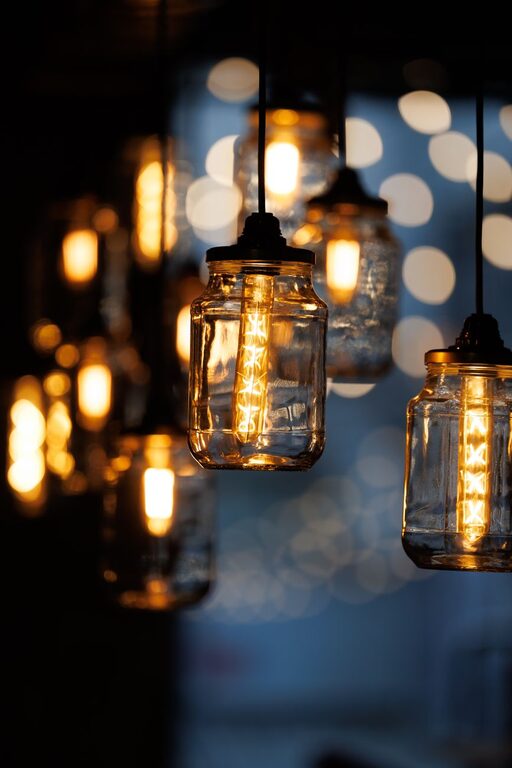
Creating a comfortable and inviting atmosphere in your home often starts with the right lighting. Good lighting doesn’t just illuminate a space—it also sets the mood, highlights your interior design, and supports your daily activities. But with so many lighting options available, choosing the best lighting for your home can feel overwhelming. This guide will help you understand what to look for and share practical tips for selecting comfortable home lighting that fits your style and needs.
Lighting affects how we see and feel in a space. Too bright, and a room may feel harsh or sterile; too dim, and it can become gloomy and impractical. The right lighting supports relaxation, focus, and aesthetics. Comfortable lighting balances brightness with warmth, reduces glare, and complements natural light.
Before choosing fixtures or bulbs, it’s important to understand the three main types of lighting used in homes:
This is the main source of light in a room, providing overall illumination. Examples include ceiling-mounted fixtures, chandeliers, or recessed lights. Ambient lighting should be bright enough for general activities but not overpowering.
Task lighting focuses on specific areas where activities like reading, cooking, or working take place. Desk lamps, under-cabinet kitchen lights, and vanity lights are common examples.
Accent lighting highlights particular features such as artwork, plants, or architectural details. It adds depth and visual interest to a space and is usually softer and more focused.
Lighting needs vary depending on the room’s function:
– Living Room: Use a mix of ambient and accent lighting to create a relaxing environment. Adjustable floor or table lamps offer flexibility.
– Kitchen: Bright task lighting is essential for safety and precision. Combine overhead lights with under-cabinet fixtures.
– Bedroom: Soft, warm lighting promotes relaxation. Use dimmable lights or lamps with warm tones.
– Bathroom: Bright but flattering lighting helps with grooming tasks. Lights around mirrors are particularly useful.
Color temperature is measured in Kelvins (K) and affects the mood of your space:
– Warm Light (2700K–3000K): Creates a cozy, inviting atmosphere, ideal for living rooms and bedrooms.
– Neutral White (3500K–4100K): Balanced and natural, suitable for kitchens and bathrooms.
– Cool White (5000K+): Bright and energizing, often used in workspaces but can feel harsh if overused.
Choosing bulbs with adjustable color temperatures or using smart bulbs can offer flexibility.
Brightness is measured in lumens, not watts. When selecting bulbs:
– For ambient lighting in living rooms or bedrooms, aim for 1,500–3,000 lumens per room.
– Task lighting generally requires brighter light, around 4,000 lumens or more depending on activity.
– Use dimmers to adjust brightness levels and create the perfect ambiance.
Glare can cause eye strain, while harsh shadows can make spaces feel uncomfortable. To avoid these:
– Use diffusers or lampshades that soften light.
– Position task lights to avoid direct glare in your eyes.
– Combine multiple light sources to balance shadows.
Modern LED bulbs offer excellent energy efficiency, longer lifespan, and generate less heat compared to traditional incandescent bulbs. Besides saving on energy costs, LEDs contribute to an eco-friendly home.
Lighting needs often change throughout the day or with activities. Installing dimmers, using lamps with adjustable arms, or smart lighting systems allows you to tailor light intensity and color to your preferences.
Choose fixtures that complement your interior design style. Whether modern, rustic, or classic, the right fixture enhances the room’s look while providing comfortable lighting.
Maximize daylight by using sheer curtains or keeping windows unobstructed. Natural light improves mood and reduces the need for artificial lighting during the day.
Whenever possible, test bulbs and fixtures in your space. Many lighting stores offer sample bulbs or showrooms where you can see how different lighting affects a room’s feel.
Choosing comfortable home lighting is about balancing style, function, and comfort. Understanding your room’s purpose, selecting appropriate color temperatures and brightness levels, and incorporating adjustable and energy-efficient options will help you create a warm and inviting home environment. With these tips in mind, lighting your home becomes an enjoyable and rewarding process.