 11
11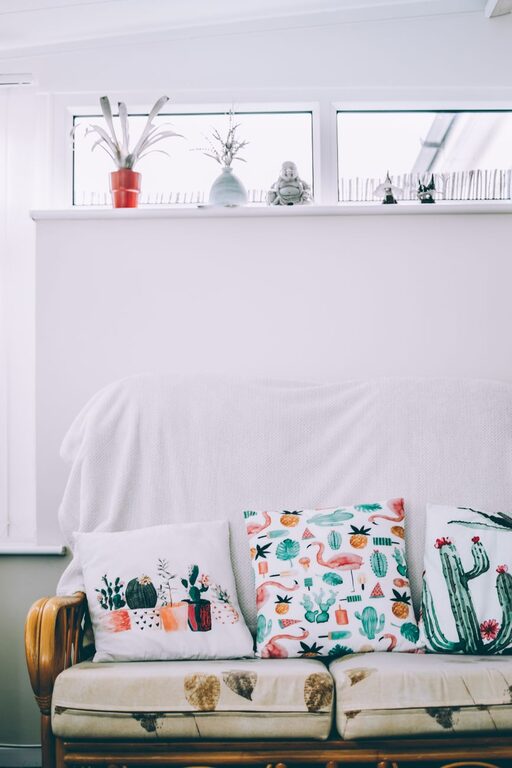
When a room feels dark and gloomy, it can affect your mood and the overall vibe of your home. Whether your room lacks natural light or has dark walls and furnishings, there are plenty of quick and affordable ways to brighten it up. This guide shares simple ideas that will help you make any dim space feel lighter, airier, and more inviting.
Before diving into solutions, it’s helpful to understand what causes a room to feel dark. Common reasons include:
– Limited natural light due to window placement or size
– Dark wall colors or heavy curtains that absorb light
– Large furniture or accessories that block light flow
– Insufficient or poorly positioned artificial lighting
Knowing the cause can guide your approach to brightening the room effectively.
One of the easiest ways to make a room feel brighter is to paint walls and the ceiling in light, neutral colors. Whites, creams, pale grays, or soft pastels reflect more light and create a sense of openness.
– Use satin or eggshell finishes that reflect light better than matte paint
– Paint the ceiling a shade lighter than the walls to draw the eye upward
– Consider an accent wall in a gentle, light color for subtle contrast without darkening the space
If repainting isn’t an option, try adding large light-colored artwork or wall hangings to break up dark walls.
Natural light is the best way to brighten any room. Here’s how to get more of it inside:
– Use sheer or light-filtering curtains instead of heavy drapes
– Keep windows clean to let in the maximum amount of sunlight
– Avoid placing bulky furniture in front of windows
– Consider adding mirrors opposite windows to reflect light throughout the room
If privacy is a concern, opt for frosted window film or blinds that allow some light while maintaining privacy.
Good lighting is key to brightening dark rooms, especially when natural light is limited.
– Ambient lighting: General overhead lights like ceiling fixtures or recessed lights
– Task lighting: Focused lights such as desk lamps, reading lamps, or under-cabinet lights where you need it most
– Accent lighting: Spotlights or LED strips highlight artwork or architectural features
Using multiple light sources eliminates shadows and creates a warm, inviting glow. Choose bulbs with a color temperature of around 2700K to 3000K for a soft, warm light.
Reflective elements bounce light around and help visually brighten the space.
– Hang a large mirror on a prominent wall
– Use glass or acrylic furniture to reduce visual weight
– Add metallic accents such as gold or chrome lamps, picture frames, or decorative objects
– Choose glossy finishes on cabinets or tables
These touches can make a noticeable difference without overwhelming the room.
Heavy, dark furniture can make a room feel cramped and shadowy. Opt for lighter-colored upholstery or natural wood finishes.
– Select pieces with exposed legs to create a sense of openness
– Use minimalist designs that avoid bulky shapes
– Consider multifunctional furniture with storage to reduce clutter
Keeping furniture arrangements open also allows light to flow freely through the room.
Plants bring life and a fresh feeling that can brighten any space. Plus, the green adds a cheerful contrast to neutral backgrounds.
– Place a tall plant in an empty corner to draw the eye upwards
– Use small potted plants on shelves and tables for pops of color
– Choose plants with light-colored or variegated leaves for extra brightness
Natural elements like woven baskets and light wood accents can complement the plants and create a cozy feel.
A cluttered room often feels dark and cramped, no matter how much light it has. Keeping the space tidy and organized allows light and energy to flow.
– Use baskets and bins to store items out of sight
– Keep surfaces clear of unnecessary objects
– Regularly donate or recycle things you no longer need
– Organize cables, books, and personal items neatly
A clean, orderly room feels brighter and more spacious almost instantly.
Bright cushions, throws, rugs, and curtains add color and lightness to a room without permanent changes.
– Mix and match light-colored pillows and blankets on sofas or beds
– Choose rugs with light hues or simple patterns to complement flooring
– Switch out dark curtain panels for lighter, airy fabrics
– Add art prints or photos in light frames
Small changes like these can be switched out seasonally or as your style evolves.
—
By combining these simple strategies, even the darkest room in your home can be transformed into a bright and cheerful space. Start with paint and lighting, then layer in reflective surfaces, light furniture, and lively accessories. With a little effort, you can create a room that feels welcoming and full of light every day.